
PHATS Member Spotlight – Dave Dinapoli
Dave Dinapoli, Head Athletic Trainer, Florida Panthers
PHATS: What made you want a career in the athletic training profession and how did you get your start?
DD: I first became interested in athletic training while rehabbing from a dislocated shoulder during football in high school. The following year, our high school had us take a career survey. One of the top recommendations from that survey was a career in Athletic Training. While it was clear that playing professionally was not in my future, I decided to explore a career in athletic training. At the time, it seemed like a great way to combine my love for sport while staying a part of the team dynamic. As it turns out, I made the right decision. Upon graduation I did an internship in professional football. The hours were extensive, but it gave me a glimpse of what the profession could offer down the road.
PHATS: Tell us about your transition from working in the NCAA at Yale to joining the Panthers?
DD: At the end of the 2015/16 season, I received a call to gauge my interest in an opening with an NHL club. They were given my name as a potential candidate. At the time, I was head of the sports medicine department at Yale and wasn’t looking for a career move. After speaking with my family, I decided to at least explore the opportunity. They flew me down for an interview and I left with an offer. There was a lot of trepidation at first. I was extremely stable in my role at Yale, the pro ranks don’t offer that stability. Ultimately, I decided that I would regret not making the move, nothing ventured nothing gained. In the end all worked out.
As far as the job is concerned, there isn’t much of a difference between the college and pro levels from a medical perspective. Regardless of the level, the goal is to return an injured athlete to the highest level of performance in a safe and timely manner.
I think the most difficult part of the transition was navigating the red tape with regards to what the NHL, NHLPA and Clubs require to manage day to day operations (roster changes, cap space, workers comp and so forth). Yale was much less convoluted in this regard. The learning curve was steep at first. Fortunately, my assistant was Tommy Alva, a seasoned vet in the league and now Head of the Flyers. He took a lot off my plate while I got up to speed. Appreciate and thankful for all your efforts brother.
PHATS: For those just starting out as athletic trainers, what is the best piece of advice you were given when you began your career?
DD: The best piece of advice I was given didn’t even pertain to my career but rather life in general. A wise man once said: if you are the smartest person in a room full of people, you are standing in the wrong room.
My advice to others would be to surround yourself with people who will challenge you. Leave your ego at the door and be open-minded to change. We all tend to see things through one lens and often that lens can become clouded. Thinking outside of the box or looking at a scenario through a different lens can provide a completely different outlook or approach. When you have great minds around you and an openness to listen, you establish a collaborative effort where everyone is equally invested. Collaboration prevents stagnancy, stimulates skill set advancement and develops critical thought processes. My approach to rehabilitation and return is completely different today than it was 10 years ago simply by surrounding myself with likeminded individuals with a willingness to challenge the norm and learn together as a group.
PHATS: What is your favorite “on the bench” moment from a game?
DD: Growing up in the northeast with a vast majority of friends and family that are B’s fans, I’m sure I am going to hear about this. Without question, my favorite moment was game 7 against the Bruins in the first round of the playoffs last season. The emotional swing in that game was unlike anything I have ever been a part of. Down 3-1 in the series only to rally back and tie it up against arguably the most talented team in the NHL, was an emotional ride itself. The Garden was electric with us down by 1 with 1 min left to go in the third when we pulled Bobby. Season on the line, in the Garden with the B’s faithful cheering their home team on to close out the series, it was an electric atmosphere. I remember Monte burying one to tie it up and the building went silent. I went from a minute away from planning exit exams to a feeling of we have this. When Swaggy netted the game winner in OT, all the emotional ups and downs came to head. Not really clear on what ensued but I’m pretty sure I may have choked a few coaches giving out a bear hug or two. That is a moment that will stay with me forever.
PHATS: How has being involved with PHATS and the annual meeting helped you professionally?
DD: Most on the outside don’t realize how big of a role PHATS plays behind the scenes. The NHL would be a completely different place without PHATS involvement. Our members spend countless hours on different sub-committees to help improve the game. There’s a myriad of issues that we as athletic trainers, need to navigate daily. We all rely on each other heavily, especially when out of our market. You develop a level of respect for all that goes into what we do and a willingness to help each other out. The annual meeting is a great opportunity to get together with the league and address any issues that arise. More importantly, it allows us to spend some time with colleagues outside of the work setting.
PHATS: What is your biggest satisfaction of the job?
DD: I’d have to say it’s the relationships developed with those within the organization. The number of hours spent together in a pursuit of the same goal promotes a family like environment. The guys make it a fun place to be around, every day is something new. When you truly love what you do, it becomes a lifestyle rather than a job.
PHATS: What is your biggest challenge of the job?
DD: There are a lot of moving parts that happen behind the scenes. Making sure everyone is on the same page is critical to a winning culture. This requires a lot of communication between all departments. Carving out time in each other’s busy schedules can be challenging. Add in last minute changes and it becomes even more difficult. Fortunately, I work for a great organization where communication lines are open. Everyone accepts part of the load to ensure that nothing falls through the cracks.
PHATS: What is your favorite NHL city to visit on the road and why?
DD: I grew up in CT so I’ve spent plenty of time in NYC and Boston growing up. I always enjoy going back to those two cities. I’d have to say my favorite city to visit though is Montreal- vibrant pulse, food is great, and not a bad barn to play in.
PHATS: Who have been your mentors over the years and what is the best professional advice they have given you?
DD: I’ve had the opportunity to work alongside a few extremely talented people that have significantly impacted my career . The two most influential are Kai Aboulian ATC/PT from Yale and our current Director of Rehabilitation for the Florida Panthers Tim Wittenauer PT.
I worked with Kai for years and he is the type of person that never has a bad day. What separates Kai from the others is his ability to connect with an athlete in a way that allows them to take ownership of their rehabilitation process. The mind is extremely powerful and often overlooked when it comes to the rehab process. To achieve successful outcomes, patients need to trust in their clinician and the process. Our words, body language and actions often influence a patient’s mindset. As with any loss, whether in life or in this case an injured athlete, there are stages of disbelief, grieving and healing. The message we as clinicians put forth matters. Creating a positive environment for healing starts from the first interaction with a patient. A sentiment also echoed by our Director of Rehabilitation, Tim Wittenauer
Timmy has been the most pivotal to my career development. He is a world-class clinician and the most knowledgeable person I’ve ever seen with regards to the human body. His techniques and concepts have allowed us to eliminate technology in favor of the two most powerful tools that a clinician possesses, our minds and our hands. My skill set and treatment approach have grown exponentially under his guidance.
PHATS: What do you look forward to in the off-season?
DD: The offseason is a time to relax, rejuvenate and spend time with the family.
Tell us a little bit more about yourself…
Hobbies/ Interests: Jet skiing, riding my super moto.
Most often you will find me out in the garage wrenching on my toys.
Bucket List is to build a Shelby Cobra Replica car.

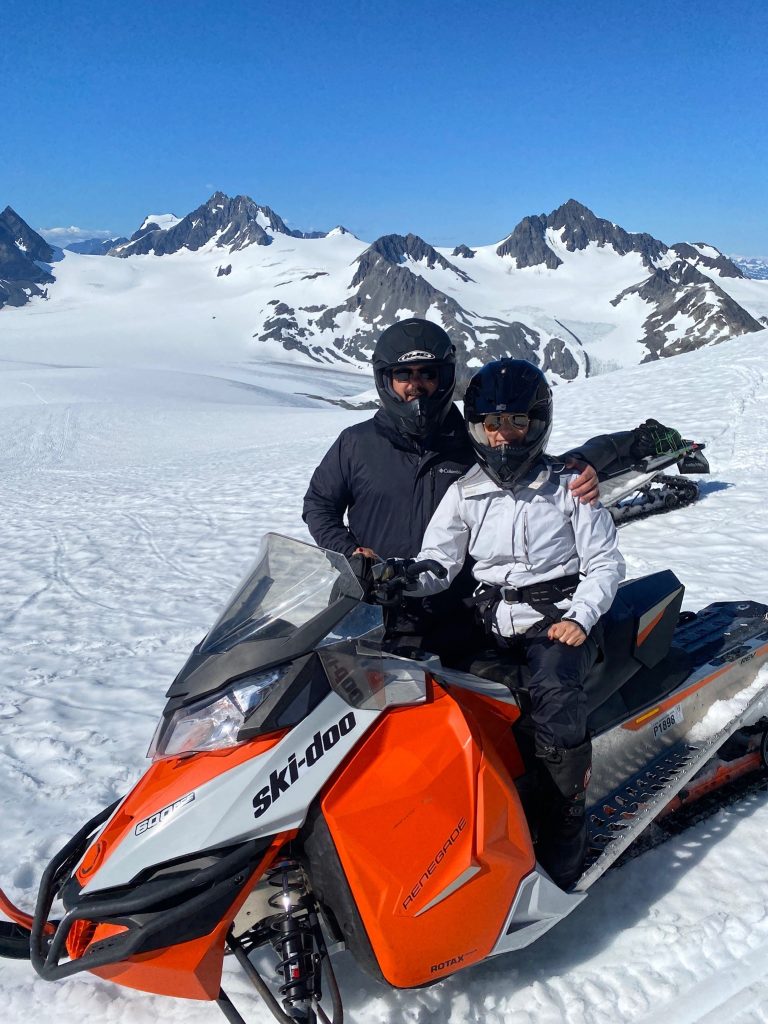

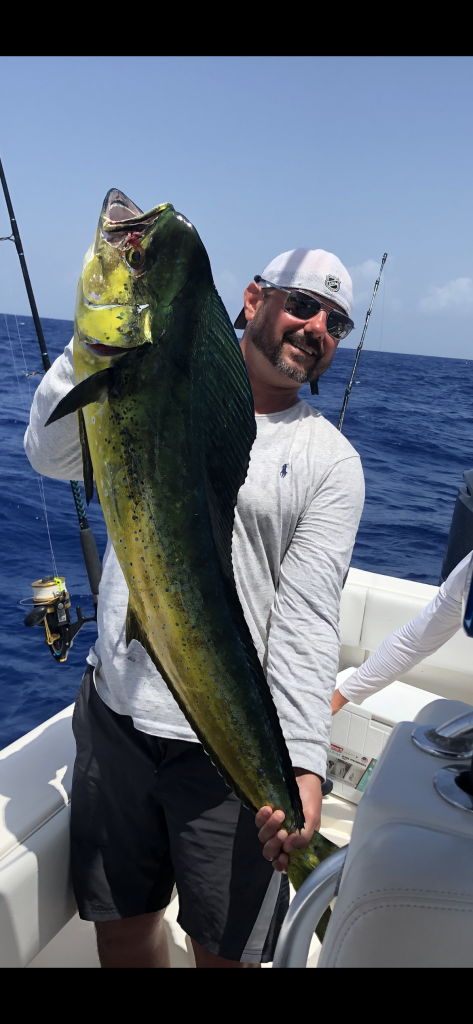

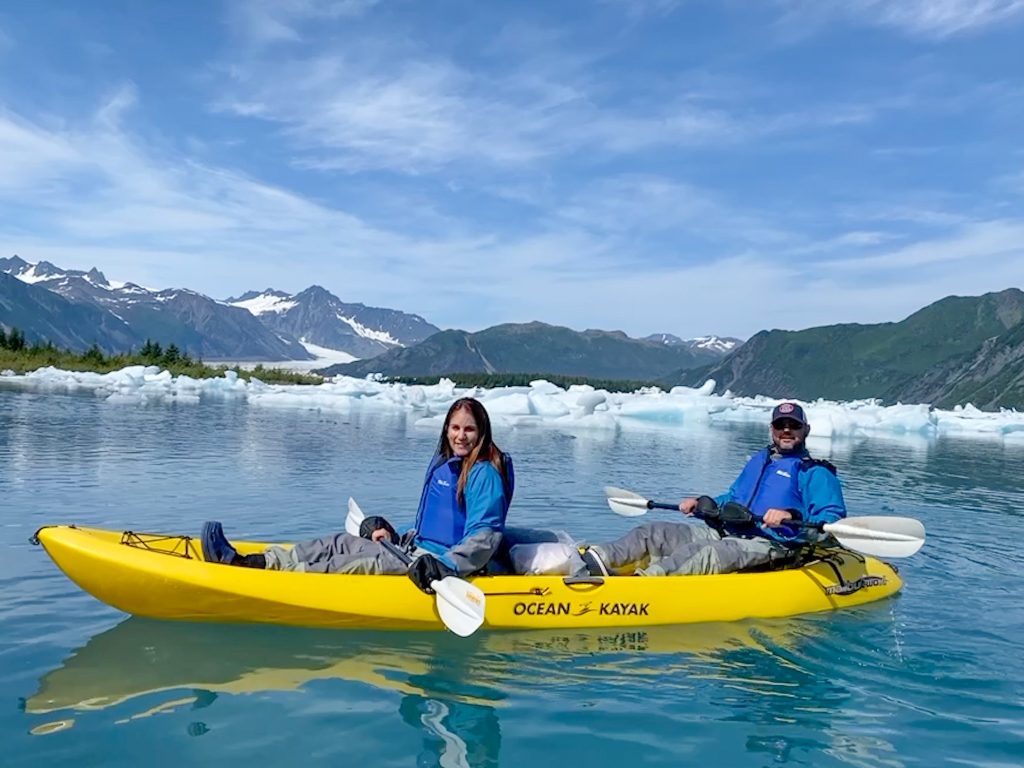


All photos courtesy of Dave Dinapoli
Want to advertise with PHATS/SPHEM?
Get More InfoInterested in becoming a PHATS/SPHEM member?
Join Us


NHL and the NHL Shield are registered trademarks of the National Hockey League. NHL and NHL team marks are the property of the NHL and its teams. © NHL 2026. All Rights Reserved.
PHATS/SPHEM Privacy Policy & Terms and Conditions of Use