
Dave Dinapoli, Head Athletic Trainer, Florida Panthers
PHATS: What made you want a career in the athletic training profession and how did you get your start?
DD: I first became interested in athletic training while rehabbing from a dislocated shoulder during football in high school. The following year, our high school had us take a career survey. One of the top recommendations from that survey was a career in Athletic Training. While it was clear that playing professionally was not in my future, I decided to explore a career in athletic training. At the time, it seemed like a great way to combine my love for sport while staying a part of the team dynamic. As it turns out, I made the right decision. Upon graduation I did an internship in professional football. The hours were extensive, but it gave me a glimpse of what the profession could offer down the road.
PHATS: Tell us about your transition from working in the NCAA at Yale to joining the Panthers?
DD: At the end of the 2015/16 season, I received a call to gauge my interest in an opening with an NHL club. They were given my name as a potential candidate. At the time, I was head of the sports medicine department at Yale and wasn’t looking for a career move. After speaking with my family, I decided to at least explore the opportunity. They flew me down for an interview and I left with an offer. There was a lot of trepidation at first. I was extremely stable in my role at Yale, the pro ranks don’t offer that stability. Ultimately, I decided that I would regret not making the move, nothing ventured nothing gained. In the end all worked out.
As far as the job is concerned, there isn’t much of a difference between the college and pro levels from a medical perspective. Regardless of the level, the goal is to return an injured athlete to the highest level of performance in a safe and timely manner.
I think the most difficult part of the transition was navigating the red tape with regards to what the NHL, NHLPA and Clubs require to manage day to day operations (roster changes, cap space, workers comp and so forth). Yale was much less convoluted in this regard. The learning curve was steep at first. Fortunately, my assistant was Tommy Alva, a seasoned vet in the league and now Head of the Flyers. He took a lot off my plate while I got up to speed. Appreciate and thankful for all your efforts brother.
PHATS: For those just starting out as athletic trainers, what is the best piece of advice you were given when you began your career?
DD: The best piece of advice I was given didn’t even pertain to my career but rather life in general. A wise man once said: if you are the smartest person in a room full of people, you are standing in the wrong room.
My advice to others would be to surround yourself with people who will challenge you. Leave your ego at the door and be open-minded to change. We all tend to see things through one lens and often that lens can become clouded. Thinking outside of the box or looking at a scenario through a different lens can provide a completely different outlook or approach. When you have great minds around you and an openness to listen, you establish a collaborative effort where everyone is equally invested. Collaboration prevents stagnancy, stimulates skill set advancement and develops critical thought processes. My approach to rehabilitation and return is completely different today than it was 10 years ago simply by surrounding myself with likeminded individuals with a willingness to challenge the norm and learn together as a group.
PHATS: What is your favorite “on the bench” moment from a game?
DD: Growing up in the northeast with a vast majority of friends and family that are B’s fans, I’m sure I am going to hear about this. Without question, my favorite moment was game 7 against the Bruins in the first round of the playoffs last season. The emotional swing in that game was unlike anything I have ever been a part of. Down 3-1 in the series only to rally back and tie it up against arguably the most talented team in the NHL, was an emotional ride itself. The Garden was electric with us down by 1 with 1 min left to go in the third when we pulled Bobby. Season on the line, in the Garden with the B’s faithful cheering their home team on to close out the series, it was an electric atmosphere. I remember Monte burying one to tie it up and the building went silent. I went from a minute away from planning exit exams to a feeling of we have this. When Swaggy netted the game winner in OT, all the emotional ups and downs came to head. Not really clear on what ensued but I’m pretty sure I may have choked a few coaches giving out a bear hug or two. That is a moment that will stay with me forever.
PHATS: How has being involved with PHATS and the annual meeting helped you professionally?
DD: Most on the outside don’t realize how big of a role PHATS plays behind the scenes. The NHL would be a completely different place without PHATS involvement. Our members spend countless hours on different sub-committees to help improve the game. There’s a myriad of issues that we as athletic trainers, need to navigate daily. We all rely on each other heavily, especially when out of our market. You develop a level of respect for all that goes into what we do and a willingness to help each other out. The annual meeting is a great opportunity to get together with the league and address any issues that arise. More importantly, it allows us to spend some time with colleagues outside of the work setting.
PHATS: What is your biggest satisfaction of the job?
DD: I’d have to say it’s the relationships developed with those within the organization. The number of hours spent together in a pursuit of the same goal promotes a family like environment. The guys make it a fun place to be around, every day is something new. When you truly love what you do, it becomes a lifestyle rather than a job.
PHATS: What is your biggest challenge of the job?
DD: There are a lot of moving parts that happen behind the scenes. Making sure everyone is on the same page is critical to a winning culture. This requires a lot of communication between all departments. Carving out time in each other’s busy schedules can be challenging. Add in last minute changes and it becomes even more difficult. Fortunately, I work for a great organization where communication lines are open. Everyone accepts part of the load to ensure that nothing falls through the cracks.
PHATS: What is your favorite NHL city to visit on the road and why?
DD: I grew up in CT so I’ve spent plenty of time in NYC and Boston growing up. I always enjoy going back to those two cities. I’d have to say my favorite city to visit though is Montreal- vibrant pulse, food is great, and not a bad barn to play in.
PHATS: Who have been your mentors over the years and what is the best professional advice they have given you?
DD: I’ve had the opportunity to work alongside a few extremely talented people that have significantly impacted my career . The two most influential are Kai Aboulian ATC/PT from Yale and our current Director of Rehabilitation for the Florida Panthers Tim Wittenauer PT.
I worked with Kai for years and he is the type of person that never has a bad day. What separates Kai from the others is his ability to connect with an athlete in a way that allows them to take ownership of their rehabilitation process. The mind is extremely powerful and often overlooked when it comes to the rehab process. To achieve successful outcomes, patients need to trust in their clinician and the process. Our words, body language and actions often influence a patient’s mindset. As with any loss, whether in life or in this case an injured athlete, there are stages of disbelief, grieving and healing. The message we as clinicians put forth matters. Creating a positive environment for healing starts from the first interaction with a patient. A sentiment also echoed by our Director of Rehabilitation, Tim Wittenauer
Timmy has been the most pivotal to my career development. He is a world-class clinician and the most knowledgeable person I’ve ever seen with regards to the human body. His techniques and concepts have allowed us to eliminate technology in favor of the two most powerful tools that a clinician possesses, our minds and our hands. My skill set and treatment approach have grown exponentially under his guidance.
PHATS: What do you look forward to in the off-season?
DD: The offseason is a time to relax, rejuvenate and spend time with the family.
Tell us a little bit more about yourself…
Hobbies/ Interests: Jet skiing, riding my super moto.
Most often you will find me out in the garage wrenching on my toys.
Bucket List is to build a Shelby Cobra Replica car.

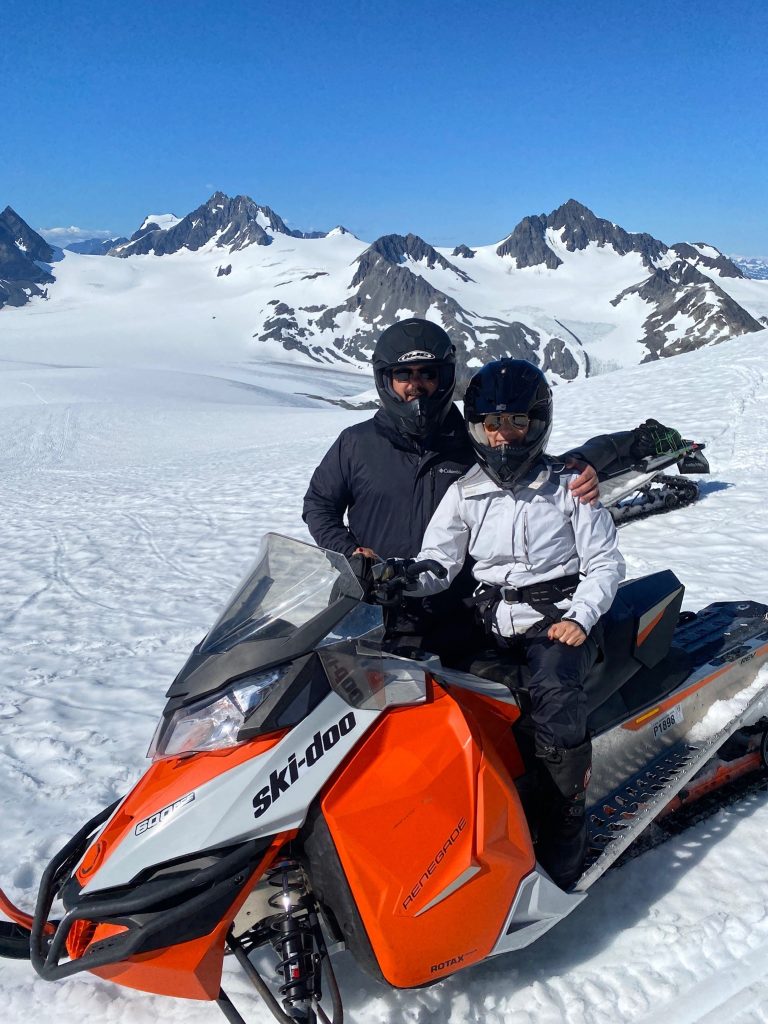

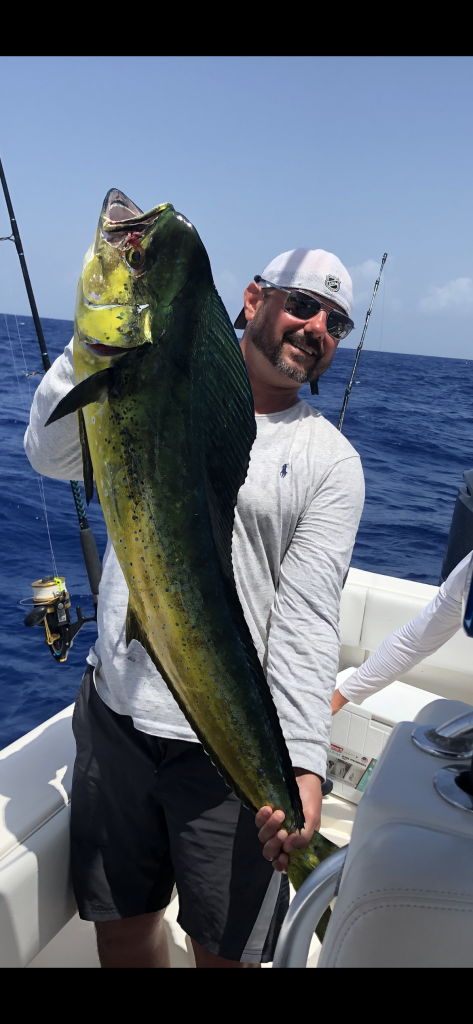

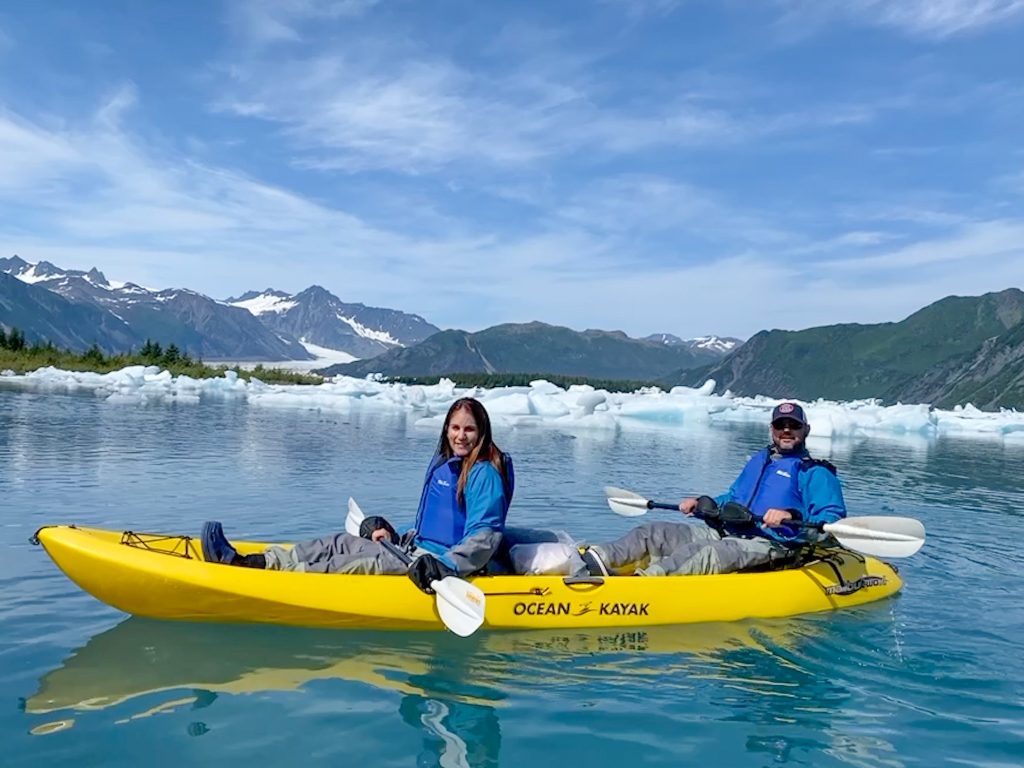


All photos courtesy of Dave Dinapoli
Los Angeles Kings in Australia
By Jeff Andrews MS, ATC
Assistant Athletic Trainer
Los Angeles Kings
I had the opportunity to go to Melbourne Australia with the LA Kings as part of this year’s NHL Global Series. This was my second international trip working with hockey. Planning for an international trip takes a lot of time and work. Chris Kingsley Head Athletic Trainer made sure we were well prepared. Planning for everything from physician coverage to electrical transformers for our medical equipment.
Melbourne is a beautiful city with a population of 6.5 million. Not only was it a seventeen-hour time difference, but the seasons were different. Australia is just coming out of Winter into Spring. A little stat on the trip is that we never experienced September 17 as we were flying the 15.5-hour flight, but experienced September 25 twice, leaving at 11:45am AST and arriving in Los Angeles at 9:45am September 25.
While we were in Australia, we had the opportunity to go to an Australian Football Preliminary Grand Final Match (Semi-final). The event took place at the Melbourne Cricket Grounds (MCG) which holds up to 100k fans. It was the biggest sporting event I have attended. The team was able to get on the field (pitch) before the game and take in the massive stadium. The game ended with the home team Collingwood winning by a point. If you haven’t had the chance to check out or watch an Australian football game, I would highly recommend.
I also had the chance to walk around the city and visit some of Melbourne’s alleyways which are filled with shops and cafes, and the Victoria Market. I had to try some of the local favorites Vegemite, Tim Tams, and Kangaroo jerky.
I really enjoyed the experience in Melbourne with our staff. I would love to visit Australia again to check out more.
Photos courtesy of Jeff Andrews


Florida Panthers in Disney
By Dakota King
Assistant Equipment Manager
Florida Panthers
Let’s look back at the Florida Panthers’ 2023-2024 training camp! The team played in eight preseason games, which is the maximum allotted. Each season, the Panthers play in a doubleheader against the Nashville Predators. This year, it was the Panthers’ turn to host the games. Preparing for these events involves a lot of work, with many moving parts, including swapping locker rooms during warm-ups. It’s always a pleasure to work these games with the Predators’ staff, all ensuring that things go smoothly.
The next two games were relatively easy, with a home-and-road split against the Carolina Hurricanes. Following that, the team headed to Sydney, Nova Scotia, to take on the Ottawa Senators in the make-up Kraft Hockeyville Game from 2022. These games provide a special opportunity to utilize the facilities of minor and junior leagues and explore cities we might not visit otherwise.
To conclude the preseason games, the Panthers traveled to Orlando, Florida, to face the Tampa Bay Lightning. On the day off between a neutral site game in Orlando and a game at Amalie Arena against the Lightning, the Florida Panthers’ players and staff enjoyed a day at Universal Studios. In addition to riding roller coasters all day, the team spent the night at Halloween Horror Nights. Taking a break from the rink to have some fun was a welcomed treat. I personally relished the high-speed adventure of VelociCoaster, reaching speeds of 70mph, while Teddy and Train found their excitement in the chilling atmosphere of the YETI: Campground Kills haunted house.
Looking back at these preseason experiences, it’s clear that the Panthers team are not only dedicated to their performance on the ice but also to strengthening their bonds and enjoying some memorable moments together. The Panthers look forward to another bonding trip later this season in Vail, Colorado.


Photos courtesy of Dakota King
Teddy Richards, Head Equipment Manager, Florida Panthers
SPHEM: What got you started in the equipment profession and how did you get your start in Professional Hockey?
TR: I am from Wilkes-Barre Pennsylvania and back in 1999 our city was awarded an AHL team (Wilkes-Barre/Scranton Penguins). My Father (Tedd) was a local bus driver who was hired to become the team’s full-time bus driver. That was my connection that opened the door to knowing their Head Equipment manager Mark Dumas, who at the time also owned a Hockey pro shop. While I was still in high school Mark hired me to work in his pro shop, which lead to me learning the basics of sharpening and equipment repairs. I kept in close contact with Mark (Dumie) while I was away at college and during that time his assistant equipment position became available. I have always loved the “locker room environment” and knew it’s something I had a lot of interest in doing. My college major was Criminal Justice with a Forensic Science minor so I couldn’t have landed further from my major but I’m very fortunate my crazy choice to leave school paid off, which I do not recommend anyone doing.
SPHEM: They say once you stop learning, you stop growing. What is one lesson you learned as an Equipment Manager that gave you the most growth in your career?

TR: The biggest lesson I learned is just as the game continues to grow and evolve, we need to as well. Players’ styles have changed, equipment has improved, profiling and sharpening techniques have changed. We cannot approach the situation thinking that what I used to know is the only way. While on the road I still visit home equipment rooms and while talking with that team’s equipment manager, I watch them work. They are doing it for a reason and maybe I can take something from that and make my job more efficient. Always keep an open mind and do not be afraid to ask questions.
SPHEM: In an effort to keep the season going amongst a pandemic, training staffs have had to adjust their rolls and take on additional responsibilities. Can you speak to how your role as a Head EM has changed?
TR: This season has been like no other, from the basics of wearing a mask and gloves all day to separating players into multiple locker rooms. We started our training camp only allowing five players per locker room using seven different locker rooms and now currently we have players socially distanced into four locker rooms. That alone creates additional work with clean up, organizing and drying equipment in rooms with no heat. That also goes for the road locker rooms as well. In most visiting facilities we are spreading out over three locker rooms.
This season we are carrying a “Taxi” squad of up to six players, who will skate either before or after our game lineup.
Our days have started a little earlier as we have our injured/rehab players there first thing in the morning and our days are lasting a little longer with our two groups skating. Those are the biggest changes we have experienced this season.
SPHEM: In a year full of many challenges, what motivates you and energizes you about being a Pro Hockey Equipment Manager?

TR: I truly enjoy the atmosphere of our locker room and the players have been so appreciative of all our extra work. We have a great Coach and great guys in the locker room so I work hard for them. My girlfriend Wendy is completely supportive and understanding of my long hours especially with a new baby at home. She allows me to rest after long days which then allows me to bring full energy to my work.
SPHEM: What personal characteristic would you say helps you most in this profession?
TR: A few needed characteristics come to mind but the one that I will say is my most important is “consistent.” This can be applied to many areas of my job, such as skate sharpening, organizing the locker room and handling inventory.
Another is “organized.” It is needed to oversee our budgetary responsibilities, packing for road trips, ordering and inventorying equipment.
“Time management,” for handling the sharpening needs of our team as well as any request our players/coaches/management may have for that day.
“Professionalism.” You are faced with many situations that you always need to find a way to make it work and always be positive about it.
SPHEM: Sadly, we won’t be meeting in person once again this year but are looking forward to connecting virtually this July. Tell us about a favorite Conference memory you have.
TR: I really enjoy walking thru our Vendor exhibits, I max out the hours both days and always try to stop and talk and thank our vendors and supporters of our meetings. They have now become friends I’ve know for many years. It’s a relaxed setting where we can enjoy a laugh without the stresses of a game day.
I still remember my first meeting I attended (Baltimore) and my first Hall of Fame dinner where I daydreamed about how my own Hall of Fame dinner would be.
SPHEM: Do you have a professional mentor or Equipment Manager you admire?
TR: Mark Dumas my first boss, he was the first equipment manager I knew in the busines. I learned so much from him. He gave me a chance and was not afraid or threatened to teach me what he knew, which allowed me to take over as Head Equipment Manager after his promotion to the NHL.
Steve Latin was the Head Equipment manager with the Pittsburgh Penguins. He was a celebrity to me, he was the guy I wanted to be, I really looked up to him and still do.
Dana Heinze Head Equipment Manager for the Pittsburgh Penguins. He showed me what a locker room could look like and the attention to detail and passion he brings everyday really motivated me to make my then (Wilkes-Barre) AHL locker room the best in the league. I also had the pleasure to work side-by-side with Dana in Pittsburgh.
SPHEM: What is your most memorable professional moment as an equipment manager?
TR: Easy answer: Winning the Stanley Cup in 2016 with the Pittsburgh Penguins. There’s nothing like that final minute of the game knowing you are about to actually win the Stanley Cup and then raising the Cup over your head, and the locker room celebration with you team. It still feels like a dream.
Also receiving that phone call telling me I was going to be hired as Head Equipment Manager of the Florida Panthers, that was a second dream come true for me.
SPHEM: After what will arguably go down as a very trying season, what are you most looking forward to this summer and the upcoming 2021-2022 season?
TR: All players back in the same locker room (haha) and fans back in the crowd. As for summer plans, just a little time away to enjoy the family before a return to a normal hockey season.
SPHEM: What is something other members might not know about you?
TR: When I was in my early 20’s I was involved in Professional Wrestling, my brother and I owned and ran our own local independent wrestling federation (Action Unlimited Anthracite wrestling). I purchased and owned the wrestling ring. We also opened a training center where student wrestlers would train.
It was pretty lucrative for me. I needed to make a decision to continue with hockey or focus more on wrestling. I still have no regrets with my decision to continue with Hockey.
I went under the name “Teddy Garvin”
Tell us about yourself, your family and your hobbies.

I currently reside in Coral Springs, Florida with my three children, Teddy (16), Ellie (13), Jackson (8 months) and girlfriend Wendy.
Hobbies include hunting and cooking, but with three children there’s little time for personal hobbies. We are currently in search of a cabin/lake house to be able to enjoy our family and the outdoors.
All photos courtesy of Teddy Richards